Drovamiqara
Cabin Guide
Picking the right cabin category is one of the most impactful decisions you make before your cruise begins
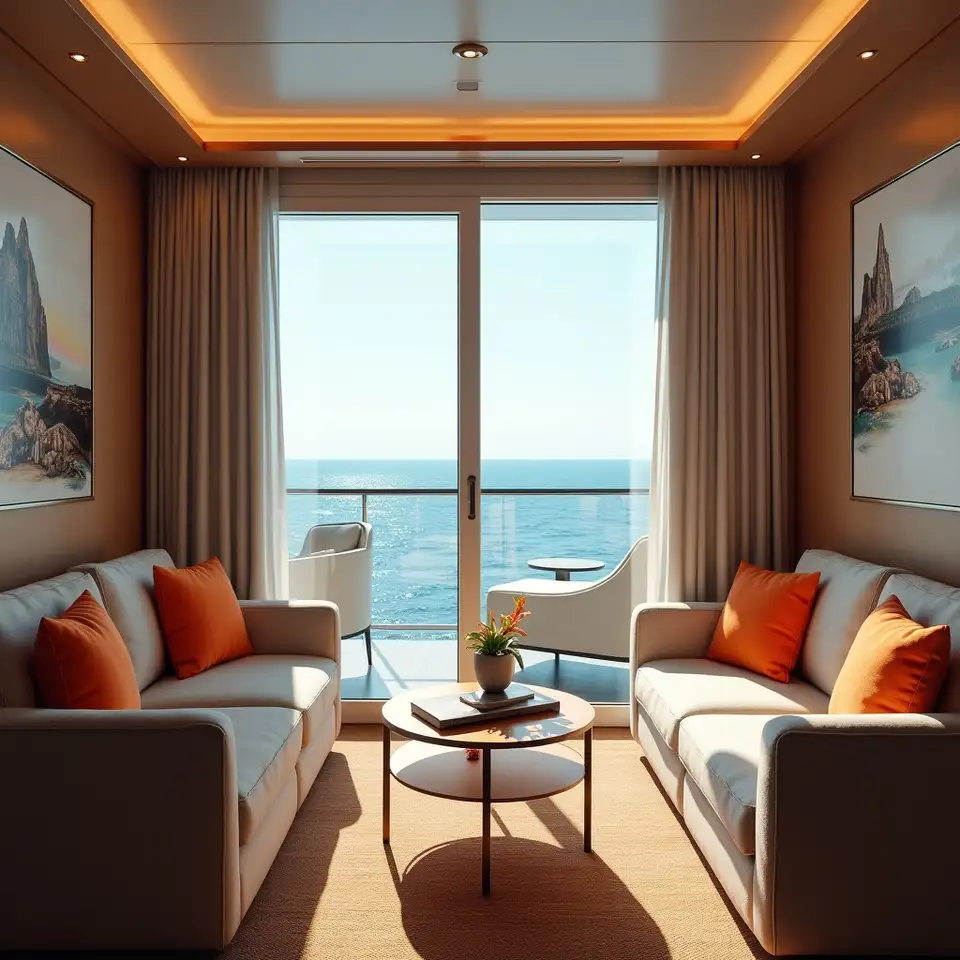
Most booking platforms present cabin categories as a straightforward ladder from interior to suite, but the practical differences between grades are more nuanced than the price gap suggests. An interior cabin on a newer ship can be better appointed than a balcony cabin on an older vessel. Location on the ship matters as much as the view — a balcony cabin positioned above the anchor mechanism or below a pool deck will have noise characteristics that no promotional image will disclose. Work through the specifics of each category before you commit, and request a deck plan so you can assess your cabin's position relative to the ship's main activity areas.
Talk to usOnboard Life
Daily Schedule
Each evening your cabin steward will deliver the next day's programme — a printed sheet listing all activities, show times, dining hours, port arrival and departure times, and any special events. Read it the night before rather than the morning of, so you can make decisions about your day without rushing. Activities on sea days run from early morning until late evening and span a wide range of formats, from fitness classes and cooking demonstrations to trivia competitions and live music sets. Knowing what is on before breakfast means you actually get to attend the things you want rather than finding out after they have finished.
Dining Options
The main dining room is included in your fare and serves a rotating menu across breakfast, lunch, and dinner sittings. Specialty restaurants operate separately and charge a cover fee or per-dish pricing depending on the venue. Buffet areas on the pool deck handle casual meals and are typically open for longer hours than the main dining room. If you have dietary requirements, notify the cruise line at the time of booking rather than on arrival — the galley team can accommodate most needs with advance notice, but last-minute requests are harder to fulfil consistently across a multi-day voyage.
Entertainment
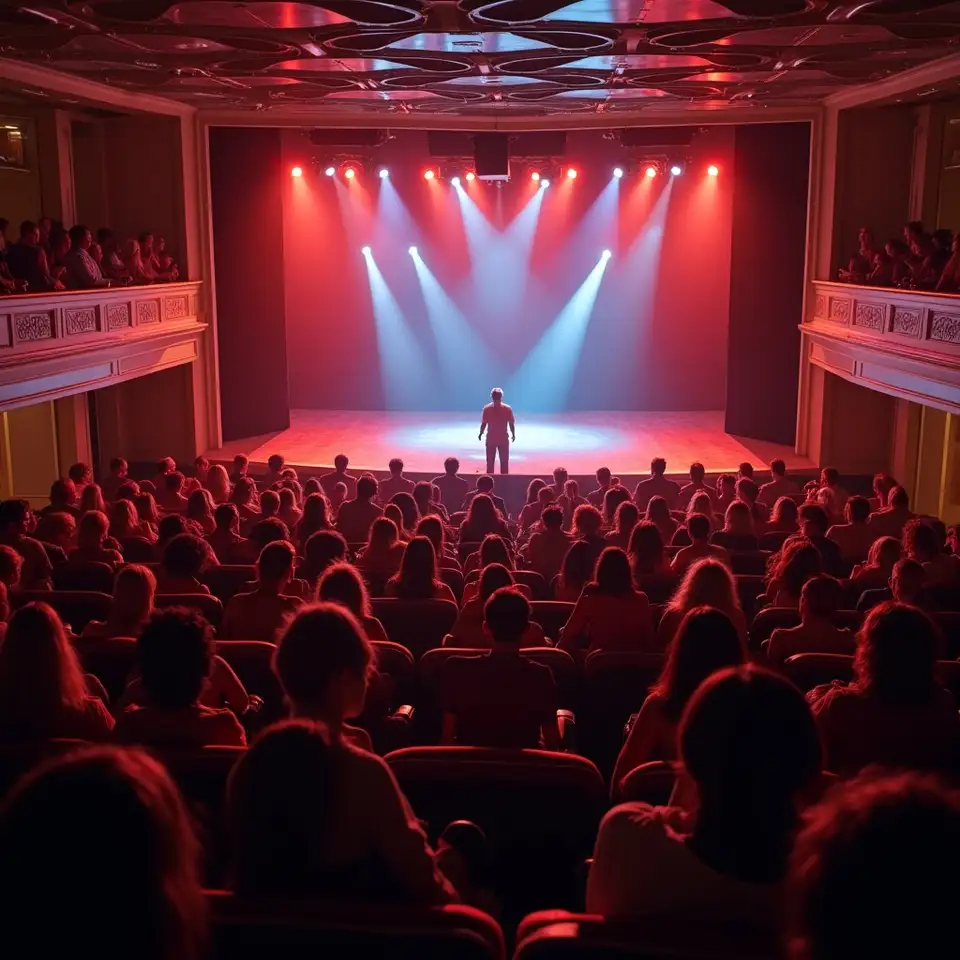
Evening shows in the main theatre are the flagship entertainment offering on most large cruise ships. Productions typically run twice per evening to manage seating capacity, so check show times early and decide which sitting works around your dinner reservation. Beyond the theatre, ships operating in Southeast Asia often include regionally themed performances, local cultural showcases at port days, and informal live music in bar areas throughout the evening. The entertainment quality and variety differs noticeably between cruise lines — reading recent passenger reviews specifically about evening programming gives you a more accurate picture than the cruise line's own promotional material.
Spa and Fitness
Spa services on cruise ships are priced at a premium compared to equivalent treatments ashore, but port-day pricing is sometimes offered at a discount to fill appointment slots when many passengers are off the ship. If you plan to use the spa regularly, ask about multi-treatment packages available for purchase at embarkation — these are typically better value than individual bookings made mid-voyage. The fitness centre is generally included in your fare and is least crowded during port mornings and late evenings. Bring your own workout gear as equipment hire or purchase onboard adds to your onboard account.
Shore Days
Plan Ahead
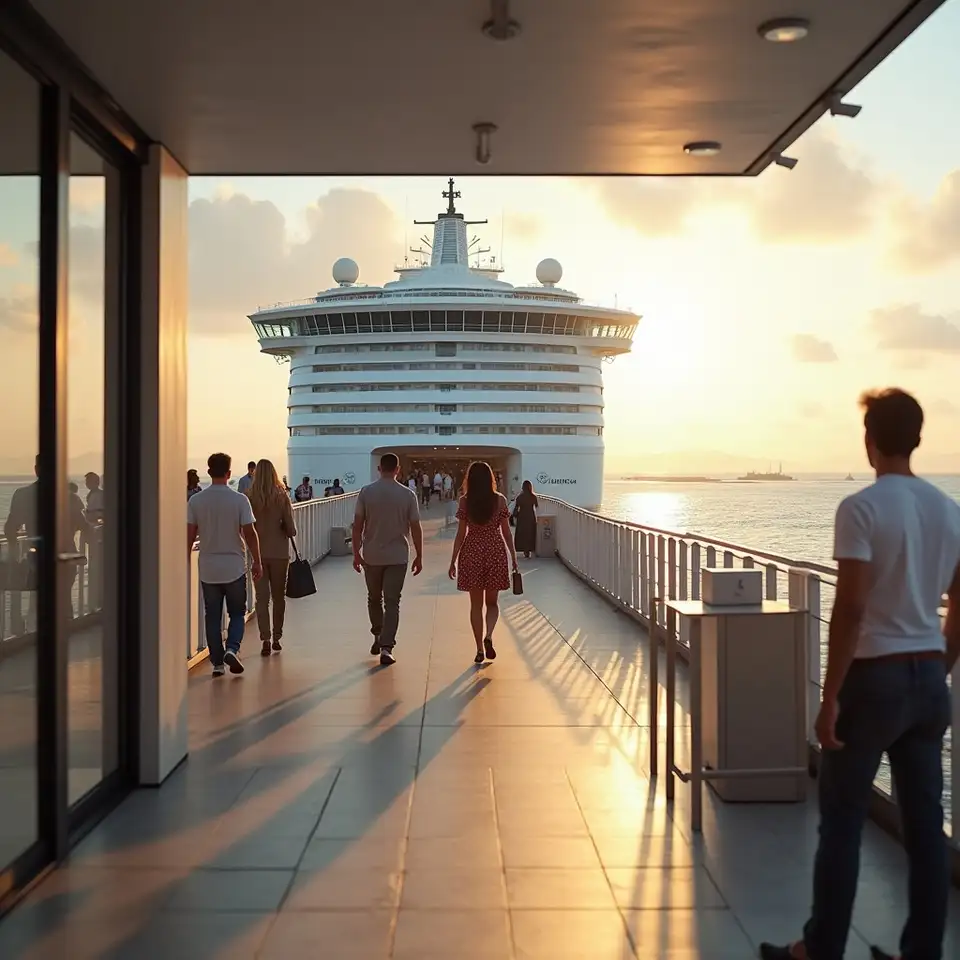
Effective port days start with a clear priority list made before the ship docks. Identify the one or two things you most want to do at each destination and build your day around those first. Everything else can be filled in loosely. Travellers who arrive at a port without a plan tend to spend the first hour figuring out transport options while the morning — often the coolest and least crowded part of the day — slips away. A simple note on your phone with the pier address, the ship's departure time, and your two key activities is enough to keep the day on track without over-scheduling it.

Excursion Types
Ship-organised excursions offer a guaranteed return time and are rebookable if weather or port conditions change, but they are typically more expensive than independent alternatives at the same destination. Independent tours booked through local operators at the pier can be significantly cheaper, but carry more risk if something goes wrong with timing. A practical middle ground is to book ship excursions for ports with tight turnaround schedules or complex logistics, and go independent at ports where the city centre is close to the pier and transport options are straightforward. This approach gives you flexibility where it is low-risk and reliability where it matters most.
Staying Safe
Southeast Asian ports are generally safe for cruise passengers, but standard travel awareness applies. Keep your valuables in a crossbody bag rather than a backpack, and avoid displaying expensive camera equipment in crowded market areas. Carry a copy of your travel insurance details and the ship's emergency contact number separately from your main documents. If you are on an independent tour, make sure your guide or driver knows your ship's departure time and pier location. Budget extra time for the return journey on busy port days — traffic near major cruise terminals can be slower than expected when multiple ships are in port simultaneously.
Back on Board
Re-boarding requires your ship identification card, which should be on your person throughout every port day. Ships will not wait for late passengers, regardless of the reason for the delay. Set two alarms on your phone — one for when you need to start heading back to the pier, and one for thirty minutes before the ship's departure time as a hard cutoff. If you are running late due to a genuine emergency, contact the ship's port agent immediately — the number is listed on your daily programme sheet and at the gangway. Knowing the process in advance means you can act quickly rather than trying to figure it out under pressure.
Practical Considerations That Shape Every Cruise Voyage from Malaysia
Cruise Ship Facilities Worth Comparing Before You Book
Outdoor Pool Decks and Sunbathing Areas
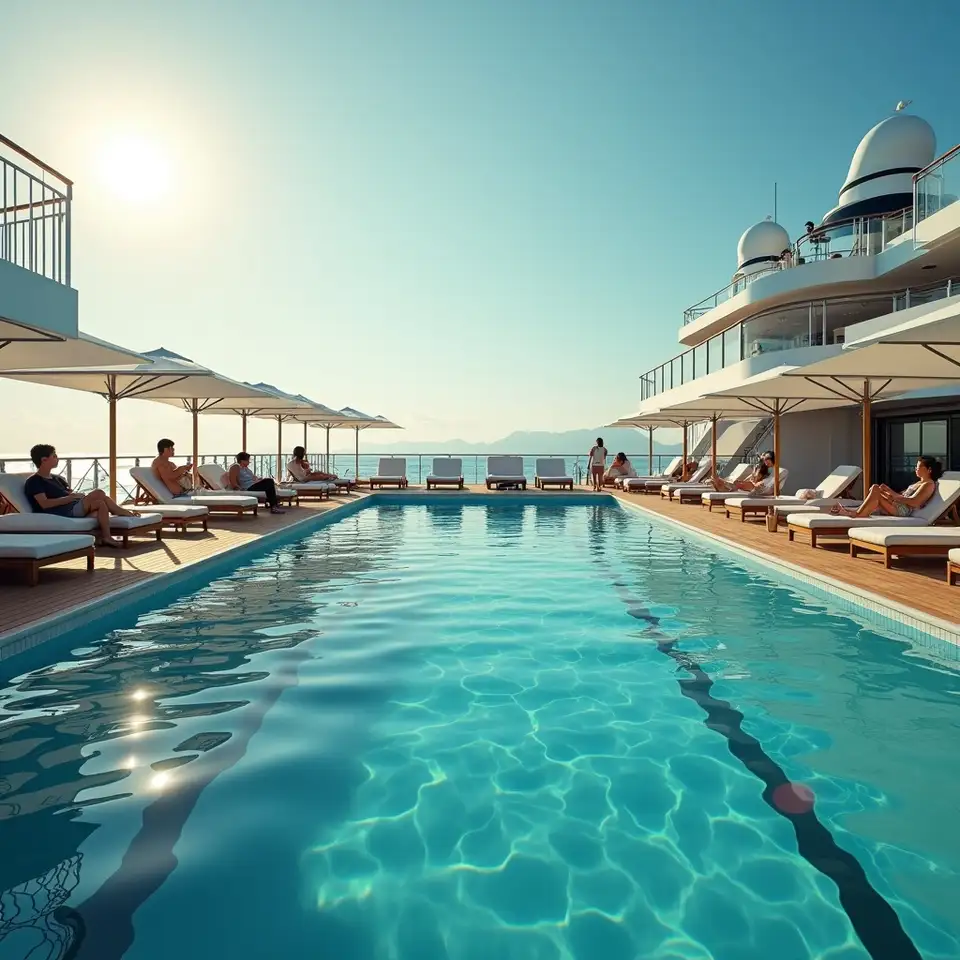
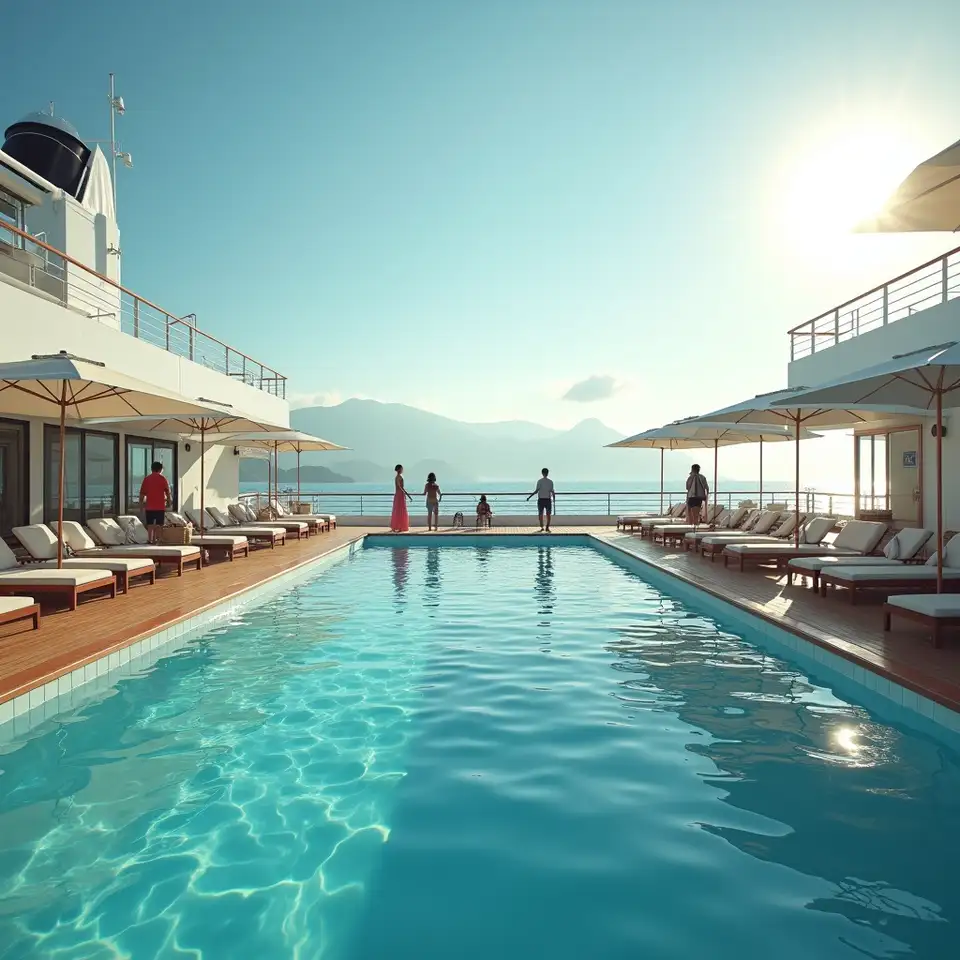
Pool deck design varies significantly between ships. Some vessels have a single main pool that becomes crowded quickly on sea days, while others have multiple pools across different deck levels. Check the pool-to-passenger ratio before booking if outdoor space is important to your cruise experience.

Main Dining Room Service and Atmosphere
The main dining room sets the tone for your evenings onboard. Fixed-sitting
arrangements suit passengers who prefer a consistent table and waitstaff, while
flexible dining options work better for travellers who want to eat at different
times each night. Confirm which system the ship uses before booking.

Fitness Centre Equipment and Opening Hours
Most cruise ship fitness centres are smaller than land-based gyms and carry a limited range of equipment. Cardio machines are the most common offering; free weights and resistance equipment vary by ship size and age. The centre is typically open from early morning until late evening and is included in your standard fare without an additional charge.
Spa Treatment Rooms and Relaxation Areas
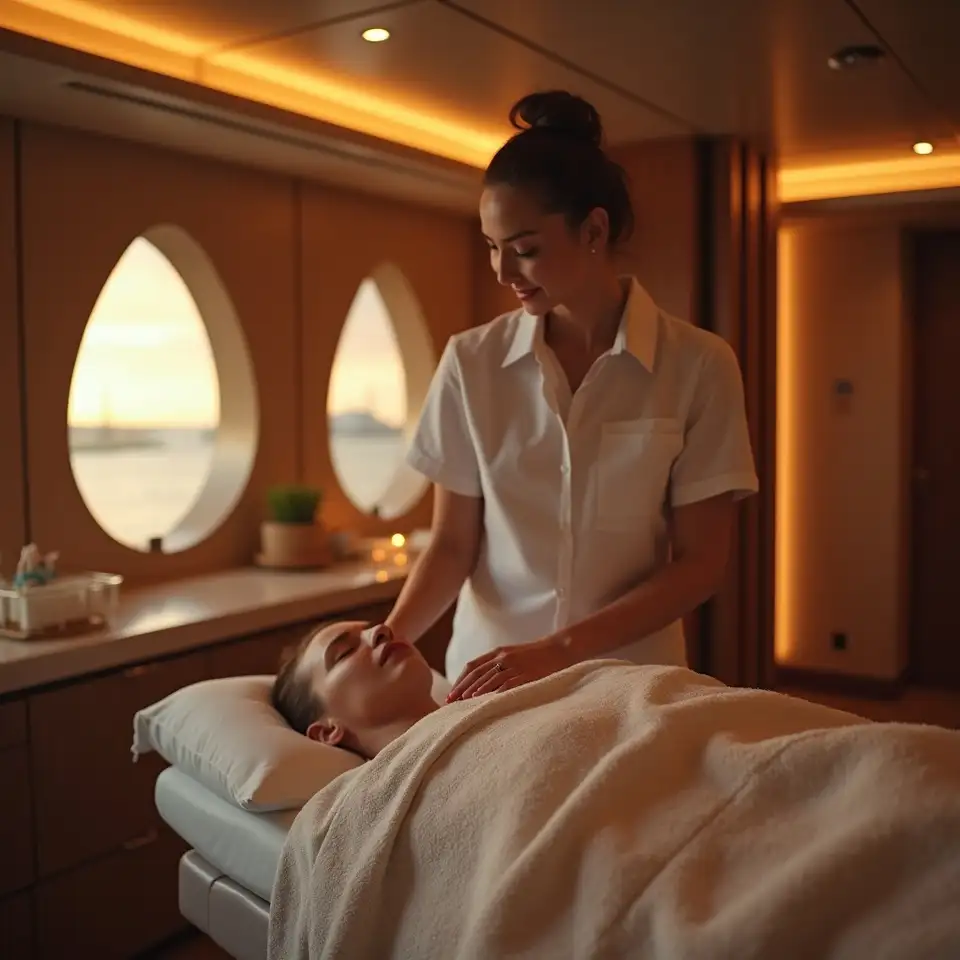
Cruise ship spas offer a wide range of treatments but are priced at a premium
compared to equivalent services ashore. Thermal suite access, where available,
is sometimes sold as a separate day pass. Port-day pricing discounts are
occasionally offered to fill appointment slots — ask at the spa reception on
embarkation day about any available packages.
Theatre and Evening Entertainment Venues
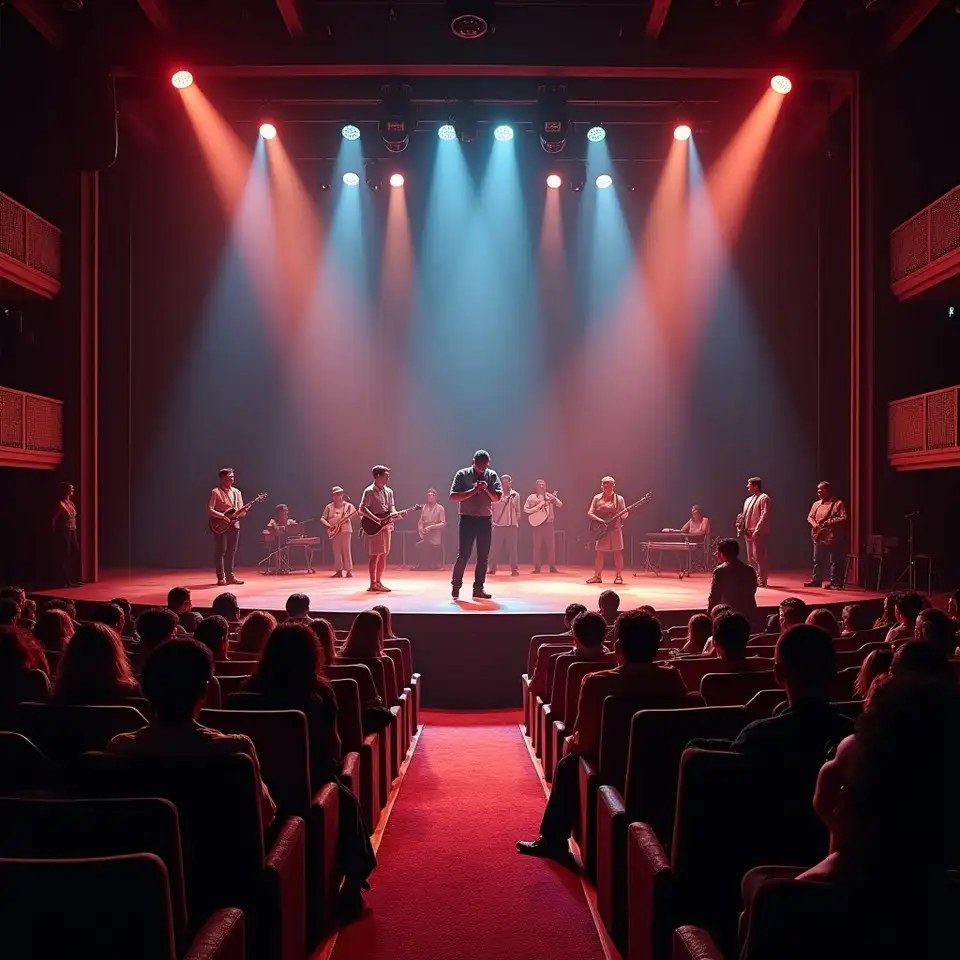
The main theatre hosts the flagship evening productions and typically runs two sittings to accommodate passenger numbers. Seating is unallocated on most ships, so arriving ten minutes early gives you a reasonable choice of position. Smaller venues — piano bars, comedy clubs, and outdoor stages — offer alternative entertainment for passengers who prefer a more informal setting.